 Auction
 Transforming Decommissioned IT Hardware into Strategic Assets
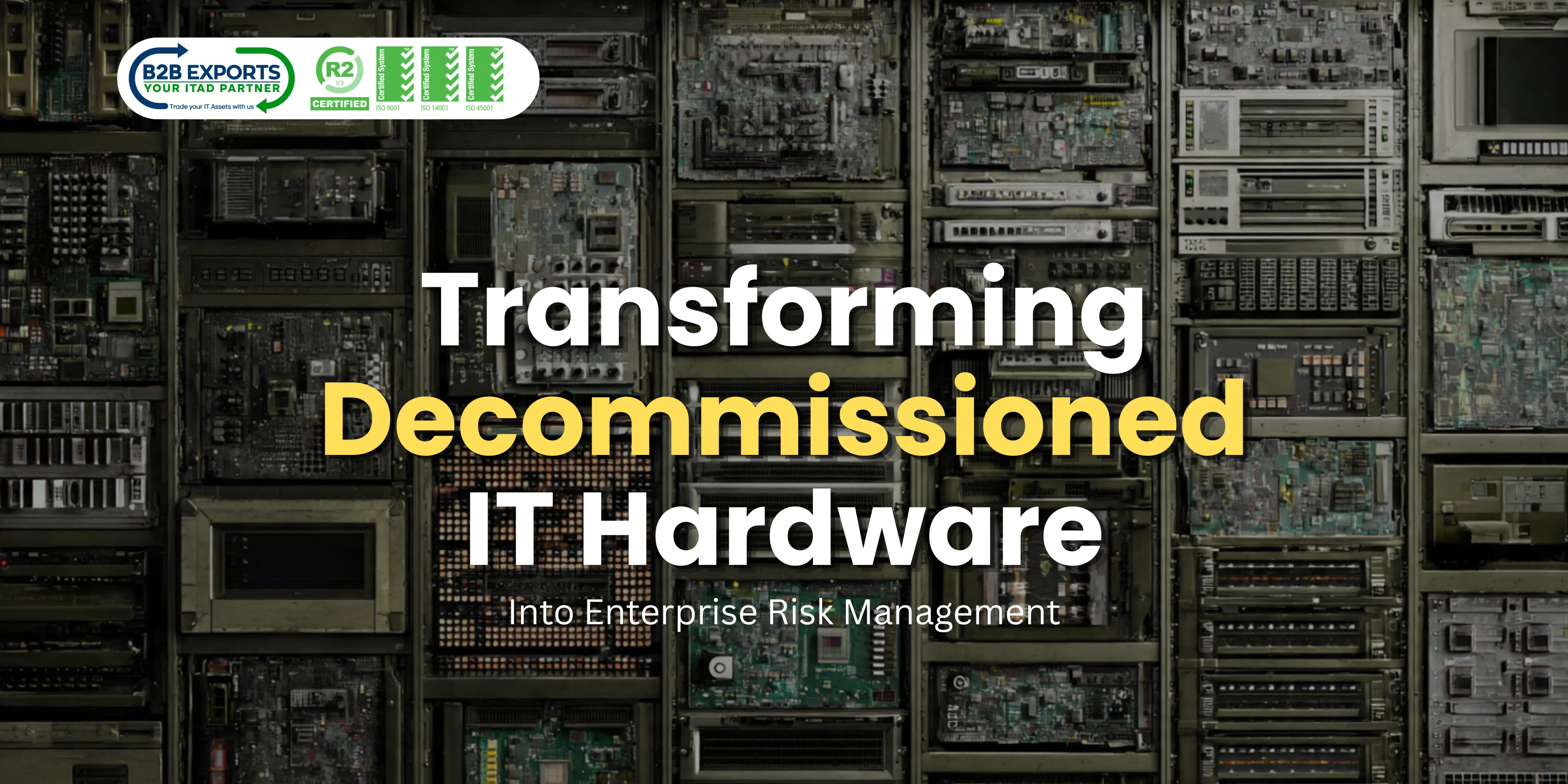
Every technology refresh leaves behind a trail of retired equipment, including servers that no longer match the workload demands, storage arrays replaced by faster systems and networking gear struggling to keep up. Traditionally, organizations have considered this hardware as liability, something to dispose of quickly and cheaply. But that kind of thinking is experiencing a big change and for valid reasons.
The IT industry is entering a new era of responsibility as well as resource efficiency. Enterprises, cloud providers and data center operators are increasingly expected by regulators, investors and customers to ensure their technology practices are entirely safe, sustainable and economically sound. The main aspect of this change is data center decommissioning, the process of retiring hardware at the end of its life. In case of poor controls, there will be high risks and waste while taking the process ahead in the correct order can bring significant value for the business.
A circular way of managing IT is already being used. Leading companies are already using it for recovering millions in asset value, staying ahead of regulatory requirements and shrinking their environmental footprint. This approach is able to turn retired equipment from a cost center into a strategic opportunity, a chance to rethink what end-of-life really means for technology assets.
Why Modern IT Leaders Prioritize Data Center Decommissioning
Over the past decade, hardware refresh cycles were able to speed up dramatically. Hyperscale cloud providers replace their computer infrastructure every three to five years. Enterprise data centers that are pushed to modernize for AI workloads and hybrid cloud setups, are retiring the equipment at a faster pace than ever before. This means the volume of decommissioned hardware entering the market at any given time is significant and growing.
As a result, there are difficulties and chances to create value for CIOs and IT managers. The trick is balancing a complex process, from physical logistics and data security to regulatory compliance and financial reporting. The opportunity is that, when handled using the correct manner, decommissioning can actually help in generating real value. Functional hardware can be resold, and assets that have reached the end of their life can be processed through structured material recovery programs.
Compliance is an important layer that can’t be ignored. Regulations like GDPR in Europe, HIPAA in the U.S. and an increasing number of national data protection laws require that all the data on retired hardware be completely and properly destroyed before getting out of the organization’s control. When these kinds of standards are missed, the companies face the risk of bearing high fines, legal trouble and reputational damage. For compliance officers and CISOs, decommissioning is not just a logistics exercise, it is a critical risk management function that demands executive oversight.
Smart organizations are now beginning to treat decommissioning as tightly as they do procurement. They are instituting formal policies, engaging certified vendors and monitoring outcomes on financial, environmental and compliance measures. This change is what is separating companies that lose value during hardware retirement from those that turn it into an opportunity.
The Financial Case for IT Asset Remarketing
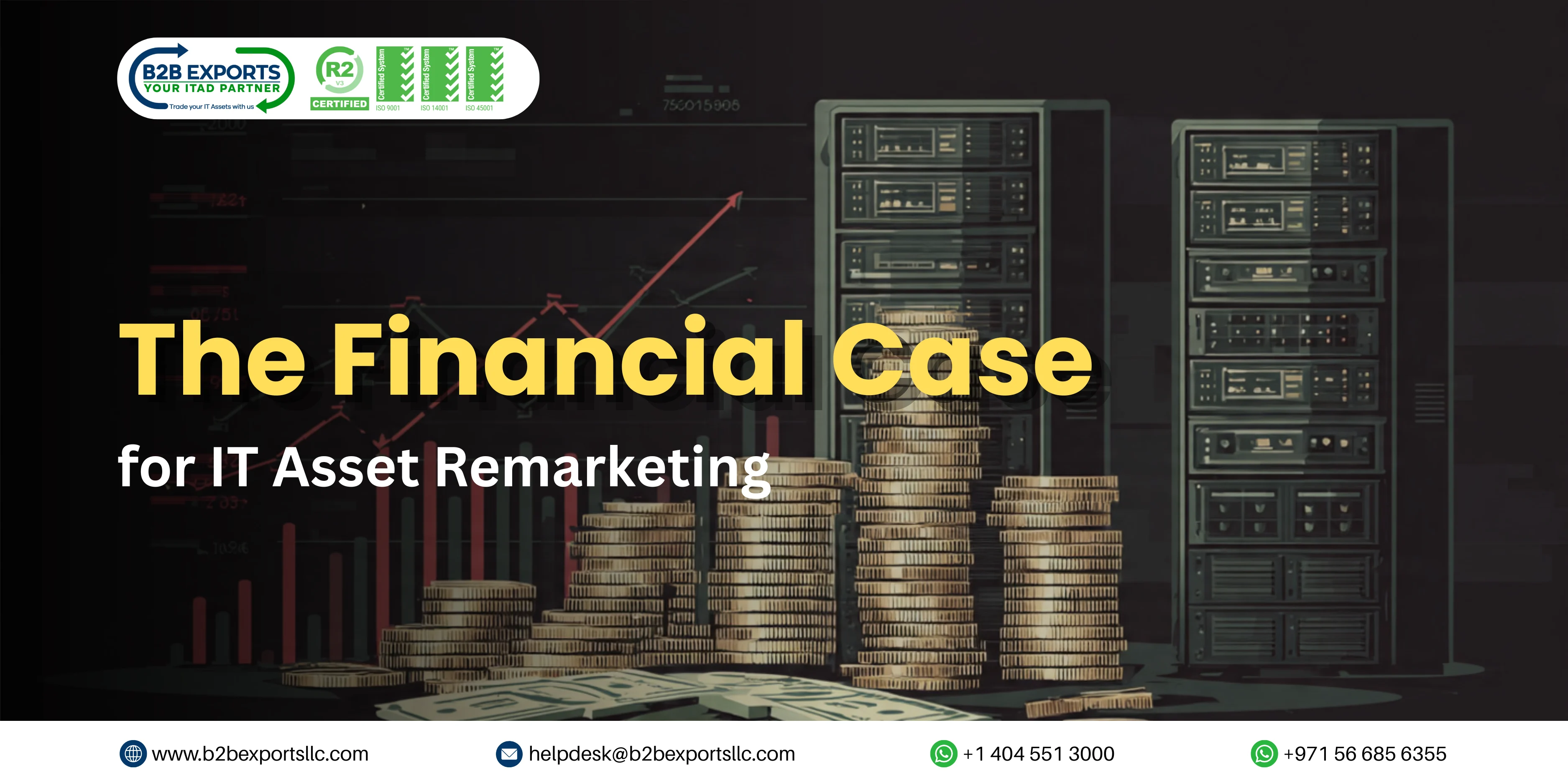
One of the most overlooked aspects of data center decommissioning is the value hiding in retired hardware. Servers, storage platforms as well as network infrastructure are built to handle heavy workloads 24/7. Because of this durability, they often retain significant functional value long after a company decides to replace them.
Refurbished IT Has Real Demand
An active secondary market for enterprise IT hardware has existed for long. Medium-sized companies, educational institutions, healthcare providers and government agencies often buy certified refurbished equipment as budget-friendly substitutes for new hardware. For enterprises retiring a generation of blade servers or high-capacity storage arrays, this represents a real opportunity to recover a meaningful portion of the investment done originally.
Retired Assets Can Generate Revenue
IT asset remarketing is the process which involves assessment, testing, certifications and reselling of decommissioned hardware through the right channels. The value an organization can restore depends completely on various factors: the equipment’s age and condition, current market demand for that hardware and the expertise of the remarketing partner. Organizations that work with certified IT asset disposition (ITAD) specialists consistently achieve higher returns than those handling it internally or selling through informal channels.
Maintaining Records and Staying Compliant
The financial benefits are more than the resale value. Properly conducted IT asset management during data center decommissioning provides accurate, auditable records of what was retired, when, and for how much. This transparency is essential for financial reporting, asset written down calculations and demonstrating compliance with internal governance policies. Without it, organizations risk misreporting retired assets, creating both kinds of exposure in financial and regulatory aspects.
Extracting More Value From Retired Assets
When you consider the true cost of poor decommissioning, lost asset value, potential data breaches from inadequate disposal and the administrative burden of handling regulatory enquiries, the case for a professional, structured approach becomes clear. IT asset remarketing isn’t just an afterthought, it is a vital part of responsible financial responsibility.
The Importance of Certified Data Destruction in ITAD
No conversation about data center decommissioning is actually complete without addressing data security. Enterprise servers and storage systems can contain sensitive data belonging to client information, billing details, trade secrets, system configurations and authentication credentials. Once the equipment is retired and moved outside the organization’s control, the possibility of unauthorized access becomes very real.
If hardware isn’t decommissioned properly, a data breach can cause serious damage. In addition to regulatory fines, organizations must deal with breach notification costs, damage to reputation from public disclosure as well as the risk of legal action from parties that are affected. For companies that operate in industries that are highly regulated like finance, government contracting, healthcare, the risks are even higher. Compliance frameworks in these industries require clear and verifiable evidence that data has been destroyed according to recognized standards.
Certified data destruction represents the permanent removal of data from storage media in a way that is documented, verifiable and compliant with relevant regulations. Proper ITAD practices involve adequately certified methods, such as multi-pass overwriting software for functional drives and physical destruction for media that cannot be reliably overwritten and the creation of certificates that provide an auditable chain of custody from decommissioning to final disposition.
Organizations should work with data destruction providers that hold reputed and widely recognized certifications like R2v3 (Responsible Recycling), ISO, that can deliver detailed reporting and are aligned with legal requirements. A certificate of destruction is more than a formality, it provides a legal proof of due diligence and offers protection during audits or incident investigations. When CISOs treat certified data destruction as a main part of their security strategy, rather than a final step in data center decommissioning, they are far better equipped for reducing risk.
Building a Circular IT Economy Through Professional Data Center Decommissioning
A good data center decommissioning program is not something that happens by accident. It takes planning, collaboration between teams and the knowledge of what you want to accomplish whether it is a measurable return on retired equipment, keeping sensitive data secure, meeting compliance requirements or reducing environmental impact.
-
Complete Mapping and Sorting of Assets
Before any equipment is removed, organizations need a complete view altogether of what they are decommissioning. This involves creating an in-depth inventory of all the assets, in terms of its brand, serial number, age and overall state. From there, assets can be grouped together by their next step: equipment with resale value can move toward IT asset remarketing, end-of-life hardware can be directed to certified recycling and systems in between may be suitable for refurbishment.
Getting this stage right provides the important information needed for all of the following steps, from financial reporting and resale value estimates to destruction records and environmental compliance documentation. When organizations rush this step or even overlook details, they often face issues later, such as missing equipment, inaccurate valuations or incomplete records related to compliance.
-
Protected Logistics with Full Accountability
Physical security during decommissioning is just as important as protecting the data itself. All equipment should be managed by certified logistics providers who ensure that every step is tracked as well as documented from the moment it leaves your site until its final disposition. This usually involves sealed shipments, GPS tracking in vehicles and signed handoff documentation at every stage.
-
Certified Data Destruction with Complete Accountability
Certified Data Destruction is a must for all the storage devices before taking any action related to reuse, resale or recycling. This step should further be supported by detailed documentation and destruction certificates that become part of the organization’s compliance records. ITAD partners should provide reporting at a level of detail that easily aligns itself with the regulatory requirements of the organization, ensuring that data security obligations are appropriately met.
-
Planned Resale and Value Capture
After data has been securely destroyed, working equipment can move into an organized remarketing process. This usually includes evaluating performance, assigning condition grades, certifying readiness and selling through the right channels to achieve a balance between turnaround and strong returns. Organizations should define how recovered value is tracked and reported financially and monitor recovery performance over time to evaluate the effectiveness of their decommissioning strategy.
-
Sustainable Recycling for Retired Equipment
Assets that no longer retain resale value should be processed through certified e-waste recycling programs. This ensures that hazardous components are safely managed and also valuable materials like precious metals as well as uncommon earth elements are recovered and returned to use. Responsible recycling of your equipment not only aids sustainability efforts but, in many areas, is also a necessary action to meet compliance expectations.
Key Considerations When Selecting a Data Center Decommissioning Partner
The success of a data center decommissioning project largely depends on the partner you choose. Every ITAD provider does not offer the same quality in terms of service. The one you choose can create a direct impact on overall returns generated from your assets, protect crucial information and help you in meeting the regulatory expectations without any kind of unnecessary risk. That’s why it’s important to evaluate potential partners carefully and look beyond basic service offerings.
-
Certifications that guarantee reliability and compliance
Checking certifications is an easy way to gauge the reliability of an ITAD partner. R2v3 certification means these firms have well-defined guidelines to safely recycle and manage data. ISO 14001 means environmental practices are built into their operations, while IS0 9001 shows strong commitment toward maintaining quality, adequacy of procedures. If a partner has a number of certifications, this shows that they take compliance, security and sustainability seriously throughout the decommissioning process.
-
Transparency and Reporting Capability
A reliable ITAD partner should offer clear and detailed reporting from start to finish. This includes records of asset collection, monitoring during transportation, verification of data destruction and documentation of the equipment’s final disposition. The reporting should be organized in a way that supports your internal compliance as well as audit requirements. It’s also important to ask potential partners to show their sample reports. If they can’t clearly explain how assets are monitored or what is the recording process of the chain of custody, it may be a sign that their processes are not fully transparent.
-
Secondary Market Reach and Remarketing Experience
If recovering value from retired hardware is a priority, the partner’s reach in the secondary market becomes important. ITAD providers with strong relationships in the refurbished equipment ecosystem tend to generate better returns. This typically handles testing, grading and resale more strategically, which helps in balancing speed and recovery value. Asking for average recovery rates across different asset types can help you compare providers and understand how their performance ranks when compared to industry benchmarks.
-
The Capacity to Operate Logistically
For organizations that have a larger number of data centers, consistency is very important. A partner who can deliver an equivalent process at all locations helps in preventing compliance gaps and simplifies reporting. Relevant stakeholders, including contractors, surveyors, and various consultants, are tasked with finding a solution to this challenge and sometimes without the ability to do so in their respective contracts. Uniformity is achieved across all sites wherever work takes place.
Conclusion: Seeing Value Beyond IT Disposal
Organizations that are doing well in a circular IT economy don’t just aim to meet basic disposal requirements. They see data center decommissioning as a strategic opportunity. When handled thoughtfully, it can help in generating more value from retired assets, lower regulatory exposure and support sustainability goals at the same time.
The equipment in a retiring data center isn’t simply a waste. Many of these assets still have the potential of resale, store sensitive information that requires to be handled in a safe and secure way and contain components that can be reused or recycled responsibly. The focus shouldn’t just be on managing the process, but on doing it right so that it actually creates these advantages.