 Auction
 The Future Growth of Electronics Refurbishing Market

The global market for refurbished electronics has experienced a massive boom in the recent years. Refurbished devices are the best combination of ecofriendly, economical and stay up to date with the latest technology. As end users rely heavily on electronic devices, the need for alternative devices under budget has been higher. Businesses are now shifting towards refurbished electronics. This shift has brought refurbished market to a higher level in the market, changing it from just a type of device to current needs of businesses in the market.
Nowadays, refurbished devices such as smartphones, laptops, desktops and other essential equipment are no longer treated as used or low-quality devices. A Professional refurbished devices provider provides high-quality refurbished devices that are thoroughly tested by certified testers and meet strict regulatory compliance to ensure the top quality and performance at such an affordable price. These devices can perform flawlessly as new ones, which makes them even more demanding.
Considering the major problem of rising electronic waste, organizations that adopt refurbished devices help in reducing environmental impact. Refurbished devices directly solve this major issue by extending the lifespan of electronic devices and reducing the need for manufacturing new devices. Government, corporations and eco-conscious organizations are also encouraging refurbished markets through policies and new initiatives. Adopting refurbished devices is not just a cost-saving option, it's becoming an essential step in the key circular economy.
Understanding the Electronics Refurbishing Market
The rising demand for refurbished devices among consumers has driven a drastic growth in the refurbished market over the past decades. Consumers are demanding cost-effective, long-lasting and made with the latest technology devices. This has a positive impact on the environment, the circular economy and IT asset management practices. As businesses use large volumes of IT devices including laptops, desktops and servers, the need for professionally refurbished IT assets has grown significantly. It has also changed the way of refurbishing devices. Outdated or retired devices are now not directly sent for recycling or landfills, instead they are professionally refurbished to extend their lifespan, maximizing asset value recovery.
Consumers are also showing great interest in buying refurbished devices rather than new ones. Buyers are now more open to refurbished devices because of the quality, performance, and reliability they get at such affordable prices. Professional providers now use certified refurbishment techniques to refurbish devices by following robust testing, grading, data wiping and component replacement methods, making refurbished products as qualified as new. This growth has enlarged the volume of devices entering the refurbished market, creating a stable supply chain for market growth.
To support this market strongly, governments and corporates are taking revolutionary initiatives to encourage organizations to adopt more refurbished devices to reduce electronic waste. This is a crucial step in the ITAD industry, supporting growth and contributing positively to the circular economy. By integrating refurbishing into IT asset management strategies, companies not only promote environmental sustainability but also make IT assets more cost-effective. This way refurbishing devices helps the circular economy in both economic and environmentally friendly ways.
Key Factors Behind Growth in the Refurbished Electronics Market
The growth of electronics refurbishment is driven by a mix of electronics, environmental and technological forces that continue to reshape how individuals and businesses consume technology today. These are the factors driving growth in the refurbished electronics market:
1. Rising Need for Affordable Technology Solutions
As the price of new technology continues to rise, end users are shifting towards refurbished devices due to their quality and reliability at such an affordable price. Refurbished products are reliable, certified and thoroughly tested before sale, ensuring the best quality and performance just like a new device.
2. Sustainability and Circular Economy Adoption
Considering the growing e-waste, companies are being pressured to adopt sustainable and eco-friendly technology practices. By combining refurbishing into IT asset disposition practices, devices are thoroughly checked for refurbishment instead of being directly discarded and entering landfills, extending the life of IT assets.
3. High Supply of Enterprise Grade Devices
Businesses often update their IT devices frequently to stay updated and get the current demanded technology. These retired devices are sent for refurbishment, where they are thoroughly tested and repaired by certified professionals. This helps in driving market growth and enhancing the reliability of refurbished devices.
4. Improved diagnostic, repair & testing technologies
Today, companies use advanced refurbishing tools that enable precise diagnostics, perfect repairs using high-quality components and thorough testing. These modern advancements have made trust among customers, providing them peace of mind and making refurbished devices as qualified as new ones.
5. Growing Awareness & Acceptance Among Consumers
As these devices provide peace of mind to consumers, they are being accepted by a large volume of end users. Refurbished devices are no longer seen as low-quality or used devices, instead they are now considered to be the best and responsible purchase option.
How Does Refurbishing Works?
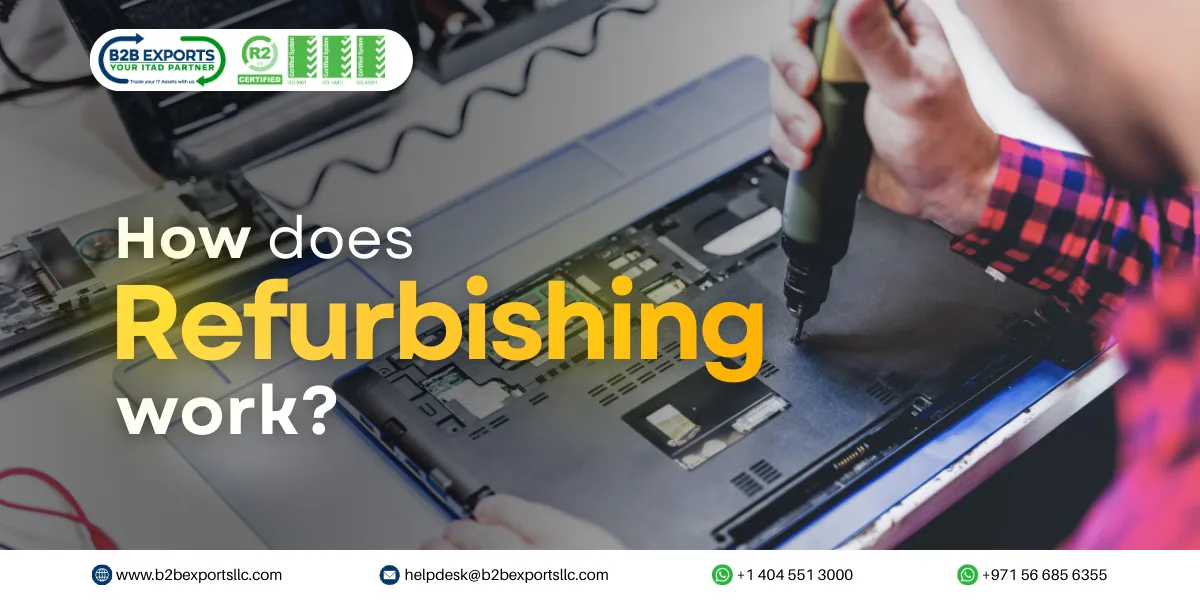
The refurbishing process is a structured method to repurpose the old and retired IT devices by repairing them. It is a process of converting outdated devices into high-tech, dependable and high-performing devices. It begins by carefully identifying devices, finding bugs and observing the device completely. The device is thoroughly checked with its physical condition and functioning. This step ensures that only those devices are refurbished which are capable of being refurbished and can perform well, meeting the users' expectations.
When devices are confirmed for the refurbishment process, all previously stored data on the devices is deleted permanently using certified data destruction methods like data wiping or software data erasure, while maintaining compliance with strict data security laws and international recognized standards. This step is crucial because it helps businesses to reuse or remarket devices confidently without any risk of data breaches and exposures.
The next step is to test the hardware component to find out any faulty or worn-out components. Damaged parts are further repaired or replaced with high-quality and verified alternatives, maintaining the quality of the device. This step helps in restoring the device into its functional state, ensuring it is performing tasks. After this, each device undergoes a final testing phase where all the components like battery, display, and other components are tested to ensure the device’s quality and performance.
Finally, the refurbished and tested devices are cleaned and packaged properly. These devices are gathered based on their appearance and functionality, ensuring transparency for buyers. High-quality refurbished devices come at a good price and perform as flawlessly as new, making them the right choice for end users nowadays.
The Role of Refurbished Electronics in Sustainable Technology Adoption
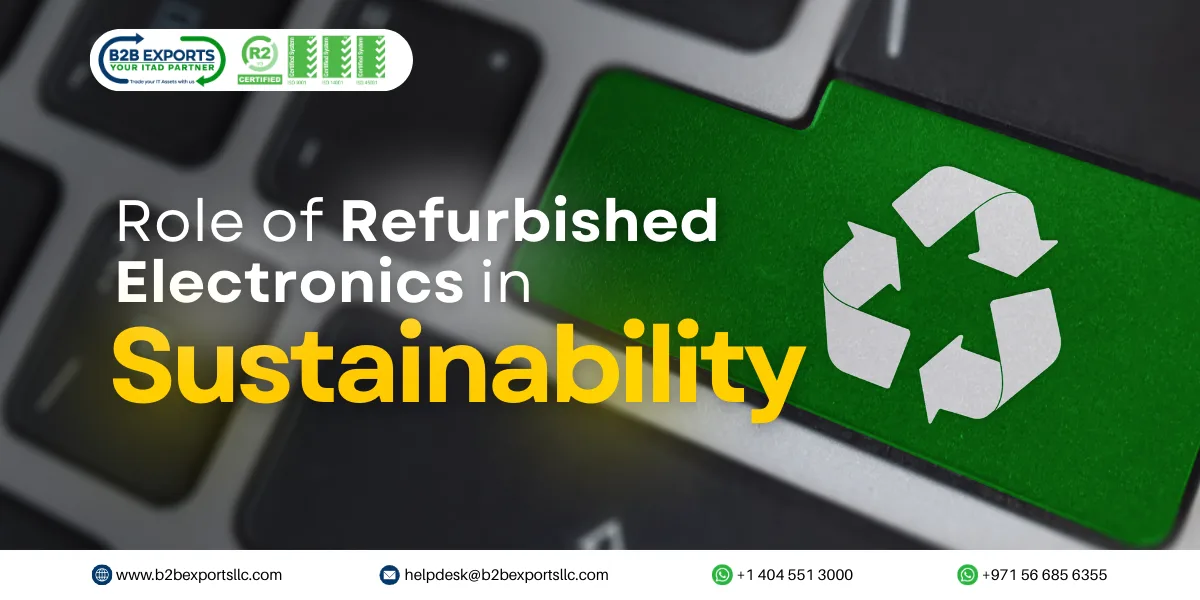
Refurbished electronics play an important role in supporting sustainable practices, as organizations find different ways to reduce environmental impact without compromising performance. Refurbished devices are made from the outdated devices only by simply extending the life span of the devices. This helps in reducing the need for manufacturing new devices and reducing carbon emissions produced while manufacturing new devices. Refurbished devices comparatively need fewer resources than a new device, contributing positively to the sustainable environment.
Refurbishing also helps in handling end-of-life IT assets responsibly. Devices that cannot be restored are sent for recycling where all essential components such as batteries, important metals and other necessary materials are extracted from the device. This helps in reducing mining to some extent and helps preserve natural resources. Hazardous materials such as metals and plastics are prevented from entering landfills, protecting the environment. Additionally, specialized components involved in hard drive disposal are processed through secure methods, while meeting environmental protection requirements.
Adopting refurbished devices also helps in supporting circular economy models by maximizing the use of electronics to their full potential and reusing them continuously. These devices are repeatedly reused, repaired and recovered, reducing the manufacturing of new devices and making sustainable technology practices a long-term solution. This not only helps in reducing environmental impact but also provides end users with low prices and high-quality alternatives.
How Refurbishing Supports Cost Efficiency for Business?
Refurbishing helps businesses offer a smart and cost-effective way to purchase new devices by extending the life of IT assets. It helps businesses reduce cost expenditure, minimize e-waste and maintain high performance at a lower price.
1. Reduced Capital Expenditure on Technology
One of the most significant advantages of refurbishing is reduced cost expenditure. Organizations can access high-performance devices at such an affordable price, helping organizations reduce significant costs. This helps companies upgrade their technology with the latest one without overspending.
2. Better Resource Planning with IT Asset Management
By integrating refurbished devices into IT asset management practices, businesses gain better insights into their IT assets, properly manage them and handle responsibly at the end of their lifecycle. This helps in making smarter purchasing decisions and provides companies with high- tech devices across all industries.
3. Higher ROI from Extended Device Cycles
Refurbished devices help organizations increase their ROI by extending their lifecycle. Organizations can confidently increase the utilization of devices such as laptops, desktops and other mobile devices by professionally refurbishing them, helping organizations with higher ROI.
4. Lower operational costs
Nowadays, professionals use advanced tools to refurbish devices using smart diagnostic testing, repairs, certifications and quality grading. This ensures that devices perform flawlessly and do not come across any unexpected breakdowns, avoiding costly maintenance.
5. Cost Effective Technology for Growing Team
Refurbished devices are the best option for quick department and team expansion in companies. It is the most efficient way to equip more devices for new teams, helping organizations instantly upgrade and install devices for the upcoming team members without waiting for new inventory.
Growing Consumer Programs and the Rise of Certified Refurbished Programs
Consumers have become more open to refurbished devices over the past few decades, providing better industry standards, grading systems for maximum transparency and the rise of certified refurbishment programs. Refurbished products are no longer seen as low quality and second hand used devices. They are now considered to be the best cost-effective alternatives to new devices because of their enhanced quality and reliability they provide at such an affordable price.
Many certified refurbished programs helped in adding major contributions in this major shift from new technology to refurbished devices. These refurbished products provide maximum transparency with standardized testing methods, a good warranty period and transparent grading. Warranties and return policies make the refurbished market even stronger, making refurbished devices a safe option to purchase for both consumers and businesses.
Moreover, the rise of IT asset remarketing has increased the supply of refurbished devices that deliver high-quality performance after being properly tested by certified testers. These refurbished devices often perform better and provide stronger build quality than new devices, making them the right purchase choice for businesses worldwide. As these devices are being adopted by many organizations, consumer trust is expected to grow even more.
Challenges and Opportunities in the Refurbished Electronics Market
The refurbished electronics market is growing rapidly but there are some challenges that this market is facing and these challenges must be addressed to keep the refurbished market alive in the industry. One of the biggest problems is the inconsistency in quality standards across different refurbishing providers. Many providers still don't use quality components and provide unprofessional refurbishing practices. This gap between providers creates confusion among consumers, affecting the overall refurbished electronics market.
Another big challenge is the unpredictability of the supply chain. It is not easy to predict when organizations are going to update their systems because it depends on when companies decide to upgrade their equipment. However, most of the organizations are going digital and large projects such as data centre decommissioning have increased the quantity of good quality devices. These include servers, laptops and several networking tools that can be repurposed using professional refurbishment methods and resold again through IT asset remarketing.
For consumers, increasing awareness and education is still an important opportunity. Most of the buyers still get confused with the word "refurbished". They still don’t know what truly is “refurbished”. If companies clearly explain the process of refurbishing including certified testing, a quality grading system and a good period of guarantee. This will encourage more people to buy refurbished devices over new ones. It will help organizations save both the cost and the environment.
The Future of Electronics Refurbishing Market
The future of electronics refurbishing looks great as demand for sustainable technology continues to grow. Governments, consumers and businesses are shifting from the regular “use & throw” method to the “use, refurbish & reuse” methodology. Businesses today are moving towards the circular economy that prioritizes reuse and extend device lifecycle. This transition supports the growing e-waste problem and helps organization reduce cost-expenditure while promoting environmental sustainability. As refurbishing becomes more technically advanced, it will become the most important part of the industry.
Refurbishment will become even more advanced with technological inventions. More advanced tools will be used for making the refurbishing process even more professional. Advancements in automated diagnostics, AI-based component testing, predictive maintenance tools and much more enhancements. It will help to make the process more fast, efficient and zero-mistake, allowing large volumes of devices to be processed with higher precisions and fewer mistakes. Events like the ITAD summit will continue to highlight these innovations and help businesses adopt them.
Another big change will come from companies choosing more sustainable ways to buy IT assets that promote environmental sustainability. Many businesses will start using devices that come at an affordable price, provide high-quality performance and add valuable contributions to the environment as well. The Refurbished electronics market will continue to grow as more organizations choose refurbished products over new ones, creating a smarter, greener and sustainable tech world.