 Auction
 Certified IT Asset Refurbishment Services Company
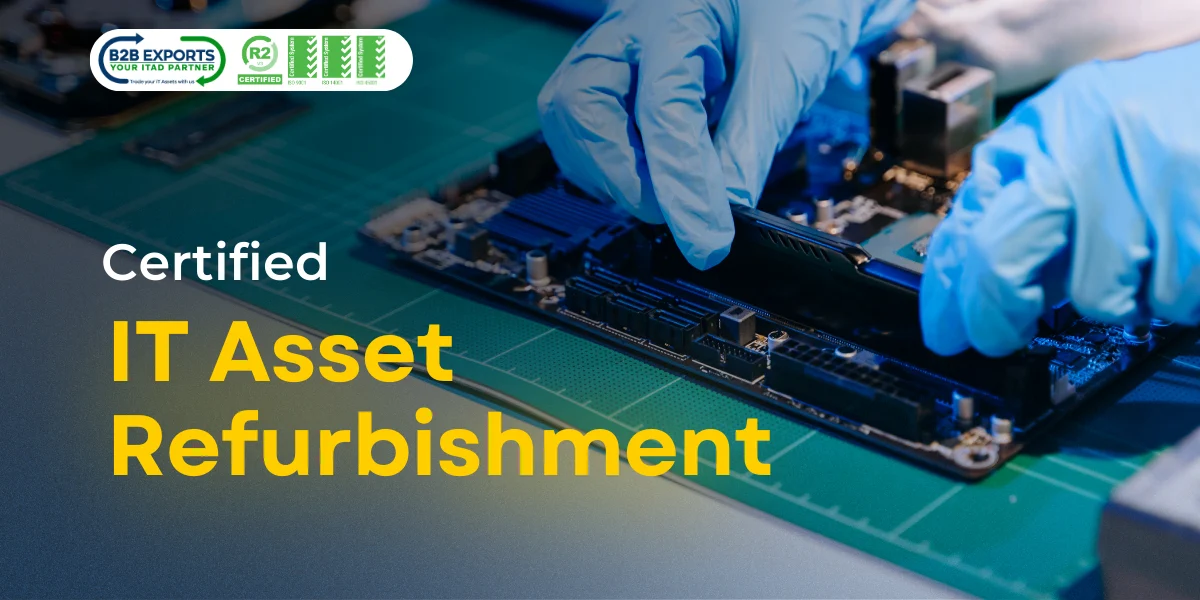
IT asset refurbishment is the process of restoring used IT equipment from laptops and desktops to servers and mobile devices to recover their functionality. Thorough inspections and repairs ensure that devices are secure and compliant for resale. Used laptops, desktops, servers and mobile devices can continue delivering high performance if given a second life. Here is the role of refurbishment in restoring optimal performance of second-hand electronics, ensuring they meet standards for safe and reliable resale. Along with secure IT data destruction to protect sensitive information, each device is carefully inspected, tested and if required, undergoes component replacement. As a result, the old and obsolete hardware gets an extended life, providing organisations with low-cost, sustainable solutions for managing their IT assets. At B2B Exports, we provide professional refurbishment services for a wide range of electronics. Each device is upgraded and refined to operate efficiently, enabling organizations to meet strict security and environmental standards. As a trusted refurbishment services company, we use well-defined procedures, from validating hardware and securely destroying data to conducting quality checks. Partnering with us not only allows organisations to maximize their value with reliable equipment but also supports sustainable IT practices.
Objectives of IT Asset Refurbishment
The primary objective of refurbishment is to extend the life of IT assets, keeping them usable for longer. Organisations regularly upgrade their technology, leaving behind the equipment that may still have commercial or operational value. Working with a certified refurbishment company makes it easier to maintain consistent performance and reliability. This approach is suitable for better utilisation of assets, reducing unnecessary procurement costs and supporting secure IT asset disposition. In addition, organisations can manage their technology transitions while maintaining reliable systems. Another important goal is to ensure that sensitive business data is handled securely throughout the recovery process. Professional refurbishment services focus on certified data erasure to properly sanitize storage media, in line with global information security frameworks. These services protect organisations' reputations while preventing potential data breaches and penalties. Secondary buyers gain trust in refurbished IT equipment as these devices are reintroduced without compromising confidentiality and operations. Cost savings and operational efficiency are also the key goals. Reconditioning supports IT asset disposition by enabling organizations to recover value and improve inventory planning. By making retired devices ready for market, it reduces spending on new hardware. Additionally, it promotes sustainability by reducing electronic waste and conserving resources. By enabling IT asset remarketing, upgrading assets contributes to the circular economy and strengthens environmental responsibility and sustainability worldwide.
Our Work Process
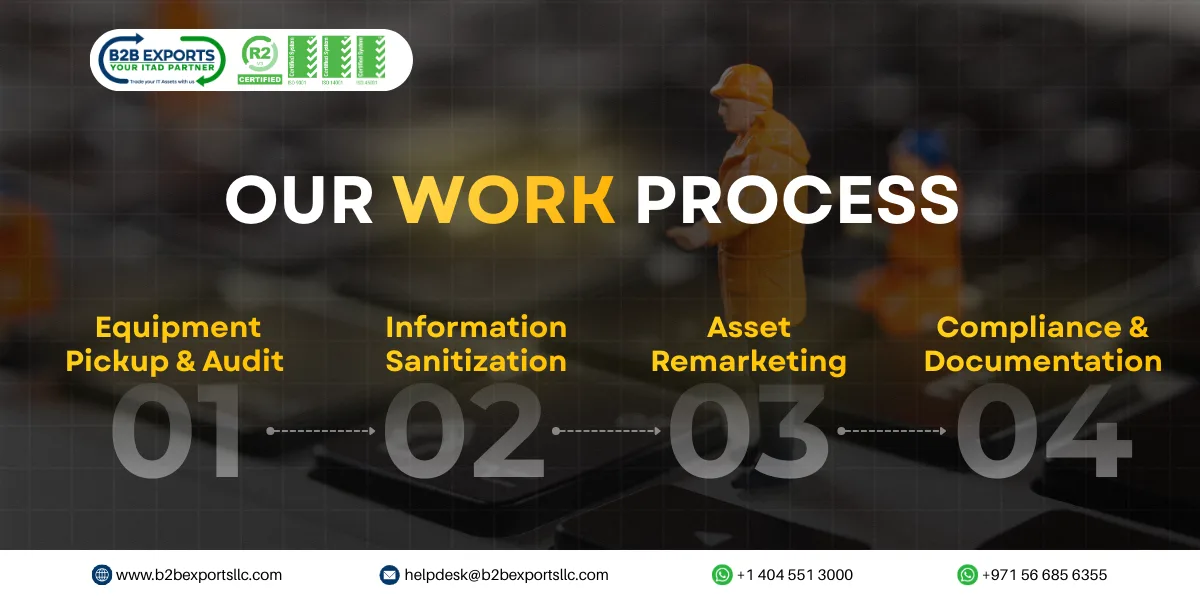
1. Equipment Pickup and Audit
Securely gathering your IT hardware from your site, ensuring every item is tracked and accounted for during transit.
2. Information Sanitization
Certified, permanent data erasure with zero possibility of retrieval, guaranteeing the total security of your private records.
3. Asset Remarketing
Professional refurbishment to give devices a second life and resell them, ensuring you get the highest financial return.
4. Compliance and Documentation
Maintaining total openness by providing destruction certificates and all necessary paperwork for your official company records.
Why Choose a Top IT Asset Refurbishment Company?
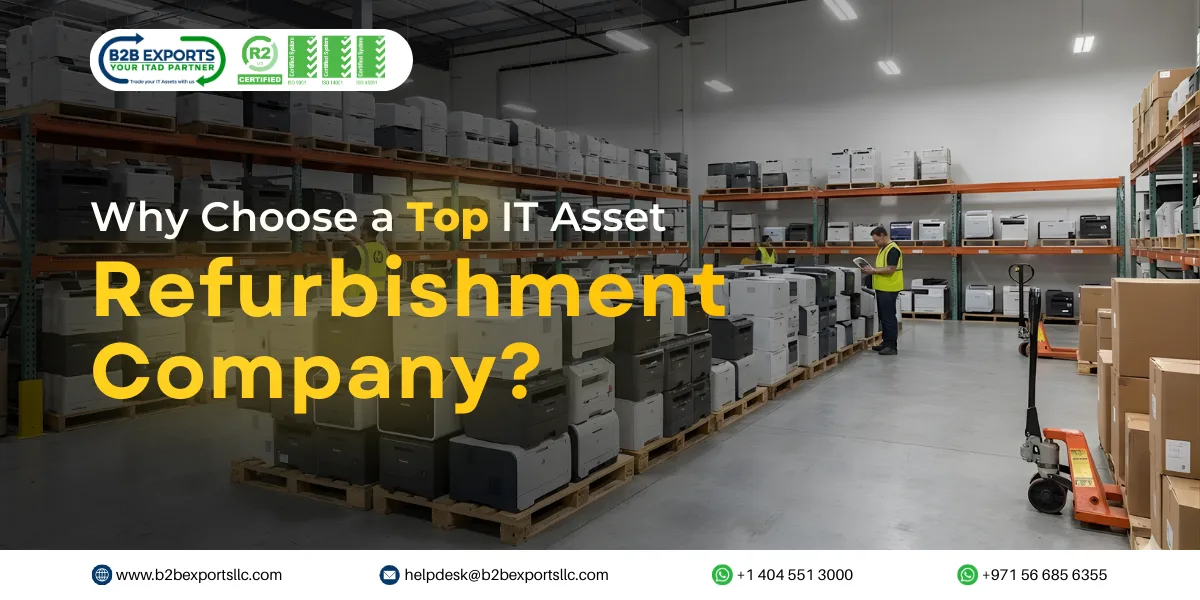
Managing retired or obsolete IT assets effectively is especially important in today’s dynamic business environment, as it is critical for both sustainability and operational efficiency. By partnering with a top IT asset refurbishment company, organisations can recover maximum possible value from their old devices. Reliable service providers not only ensure data security but also enable enterprises to adopt eco-friendly, responsible practices. High-quality refurbishment services help in transforming retired laptops, desktops, servers and mobile devices, making them functional again. Let’s now understand how selecting a leading refurbishment company can make a significant difference:
1. Experience and Expertise
A professional refurbishment services company brings significant experience in managing a variety of IT equipment. They have well-trained staff who know how to evaluate, repair and upgrade devices in accordance with performance standards. Working with an experienced refurbishment company helps organisations reduce risks by delivering reliable results. Having technical expertise, they can even restore complex assets efficiently.
2. Secure Data Management
Data security is most important when retiring obsolete IT assets. During this time, data breaches, unauthorized access and other risks are present. A certified refurbishment company always ensures that data is properly erased, protecting confidential information and meeting regulatory compliance. They further secure the process by offering complete documentation and necessary records for audits.
3. Cost Efficiency
Organisations can save their money on IT budgets by investing in professional refurbishment services. Instead of purchasing new hardware, refurbished devices can be used alternatively. With the help of a reputable provider, organisations can significantly reduce capital expenditure and allocate resources more efficiently. This approach benefits growing businesses, temporary projects and organisations with multiple locations.
4. Sustainability and Environmental Responsibility
Choosing a top refurbishment company enables an organisation to support sustainable IT practices by reconditioning and repurposing used equipment. They ensure that assets are either recycled or redeployed based on the condition, reducing e-waste and promoting circular economy practices. Organisations attract new clients and partners by meeting corporate social responsibility and using eco-friendly practices.
5. Quality and Industry Standards
A reliable provider follows standard processes and thorough testing to ensure high-quality output. Before reselling, each device is carefully inspected, repaired and tested for performance. This level of focus ensures that refurbished assets not only meet the required performance benchmarks but also comply with strict global standards. As a result, organisations can confidently use refurbished laptops, desktops and other IT assets in their daily operations.
We offer clear reports with complete documentation, track every asset and provide compliance certificates to simplify the auditing process and build trust among stakeholders. Our services comply with recognised standards such as R2V3 and ISO, ensuring data protection and sustainability. This transparency helps IT and finance teams plan necessary upgrades and stay informed throughout the asset lifecycle.
Refurbished IT Assets as a Revenue Recovery Strategy
Refurbishment is not just a technical process that extends the life of devices, it is also a financial strategy that helps recover lost value from retired IT assets. Therefore, instead of considering old hardware a lost investment, organizations can turn it into a valuable source of revenue. The reselling process can be structured if data is handled securely and devices are restored professionally. As a result, organisations can reduce their losses and even open up new sources of income or use existing assets efficiently. Here is how this approach supports profitability and delivers value:
1. Recovering Residual Asset Value
Some market value is often retained after IT assets serve their primary purpose. This residual value is more commonly found in professional laptops, servers and networking equipment. Reliable refurbishment services can restore devices' functional condition by grading, testing and replacing components as required. This way, organisations can avoid residual value from ending up in scrap or recycling devices at low returns. Even small recoveries per item can provide significant financial gain when dealing with large asset volumes.
2. Monetizing through Resale and Remarketing
There are various channels for selling refurbished assets, from B2B wholesalers and global distributors to online marketplaces and direct corporate buyers in price-sensitive regions. A specialised refurbishment company helps organisations get their assets into the most profitable markets. They manage pricing strategy, demand forecasting and a large network of buyers. This approach speeds up the sales and improves cash flow, thereby reducing the workload of IT and finance teams.
3. Improving Return on Investment (ROI)
Restoring equipment usually costs much less than purchasing new devices, while reselling helps recover a large part of the original investment. Therefore, refurbishment consistently delivers a higher net recovery and measurable returns on the investment value of assets in comparison to their immediate disposal. In addition, finance teams can compare repair costs with resale income to predict profits and make informed decisions about upgrade cycles.
4. Financial Reporting and Audit Readiness
Well-run programs are those that improve asset visibility by properly documenting condition assessments and providing certificates of IT data destruction, valuation and final disposition. A certified refurbishment services company provides your organisation with consistent reporting that not only supports audits and regulatory compliance but also helps with depreciation tracking. As a result, finance teams can clearly distinguish between depreciated assets, reusable inventory and resale gains.
5. Creating Circular Economy Revenue Streams
Extending the life of technology supports circular business models by putting devices back into secondary markets rather than sending them to landfills. Organisations that use professional refurbishment services can supply startups, educational institutions and emerging markets with affordable technology while also generating recurring revenue. This approach helps sustainability efforts support financial performance rather than being seen as ‘cost-only’ programs.
6. Reducing Disposal Cost and Financial Risk
Disposing of IT traditionally mainly involves logistics expenses, recycling fees and compliance risks. However, a professional refurbishment company converts IT costs into a source of revenue generation. On the one hand, secure processing reduces the risk of data breaches, while on the other hand, resale income covers handling costs. Along with reducing total ownership costs, it makes the process both profitable and safer.
Why R2v3 Certification Matters in IT Asset Refurbishment?
R2v3 certification is widely known as a trusted quality benchmark in IT asset refurbishment. It sets clear guidelines for environmental responsibility, the secure handling of sensitive data and operational accountability. Organisations that rely on professional refurbishment services can rest assured that they will achieve consistent, auditable results. The certification confirms that each step, from asset recovery and processing to resale, follows legal global practices. Organisations can thereby maintain regulatory compliance and manage assets responsibly.
1. Environmentally Responsible Asset Recovery
Waste reduction, reuse and the safe management of materials are the highest priorities of R2v3. A certified refurbishment services company maximizes device usage by following properly defined processes for recycling and the disposal of hazardous components. With this approach, organisations can reduce their environmental impact through circular IT strategies without compromising operational efficiency.
2. Strong Data Protection Controls
R2v3 compliance places strong emphasis on data security. A certified refurbishment company must apply verified data-wiping and destruction methods supported by documentation and audits. These controls help organisations meet strict data privacy regulations by significantly reducing the risk of data exposure.
3. Consistent Refurbishment Results
R2v3 sets clear standards for inspection, repair and grading to be performed more consistently and reliably. Devices should be evaluated against technical standards rather than subjective judgements, which helps boost both reliability and IT Asset Remarketing value. Buyers gain confidence by using consistent refurbishment services, as it reduces post-sale issues.
4. Traceability Across Asset Lifecycle
R2v3-certified companies must track IT assets in detail from collection through final disposition. Therefore, maintaining records in a structured manner not only supports transparency but also simplifies compliance reporting during audits. It enables organisations to respond quickly to regulatory enquiries and efficiently handle the internal control assessments.
5. Ethical Operations and Workforce Safety
Controlled handling of materials and responsible employment practices are a major concern as R2V3 includes standards for workplace safety and ethical labor requirements. Along with reducing operational risk, it also promotes stable, compliant refurbishment environments.
6. Trusted Across Borders
Certifications position refurbishment services as controlled and dependable, strengthening trust among clients, regulators, buyers and other stakeholders by signaling professionalism. It also creates many partnership opportunities with enterprise buyers and government institutions.
FAQs
1. What does refurbished electronics mean?
Refurbished electronics are used devices restored to proper working order after testing, cleaning and necessary repairs. We inspect each unit for its performance and reliability before resale. This systematic process allows organisations to purchase functional devices at a lower cost than brand-new equipment.
2. Is refurbished equipment reliable for business use?
Yes, refurbished devices are carefully tested to meet the relevant performance standards required for businesses. Faulty parts are replaced and systems are checked for both stability and functionality. Organisations can use these devices to support their daily operations while reducing hardware expenses by sourcing them from a professional provider.
3. What type of devices are available as refurbished?
Refurbishment services typically include IT equipment ranging from laptops, desktops and mobile devices to servers, storage devices and networking equipment. Models can be selected based on your technical needs, budget and existing infrastructure. This wide selection allows your organisation to upgrade or expand systems cost-effectively.
4. Do refurbished products come with testing or warranty support?
Yes, we provide detailed testing reports along with limited warranty coverage for refurbished IT assets. Our R2v3-certified services ensure compliance and reliability. Warranty support also reduces risk by assisting if a technical issue arises after purchase.
5. What does R2v3 certification mean for customers buying refurbished IT equipment?
R2v3 certification assures customers that the refurbishment company adheres to strict standards for data security and environmental safety. It confirms that approved methods and ethical practices have been used to process the devices. Thorough compliance gives buyers confidence that refurbished assets come from a compliant source.
6. Is bulk procurement of refurbished devices available?
Yes, we support bulk procurement for refurbished IT equipment. Organisations can order large quantities based on their technical or budget requirements. Each device is first tested, wiped and checked for quality before delivery. Thus, your organisation can scale its infrastructure quickly while keeping costs under control.