 Auction
 Inside the ITAD Summit: Conversations Defining the Future of ITAD
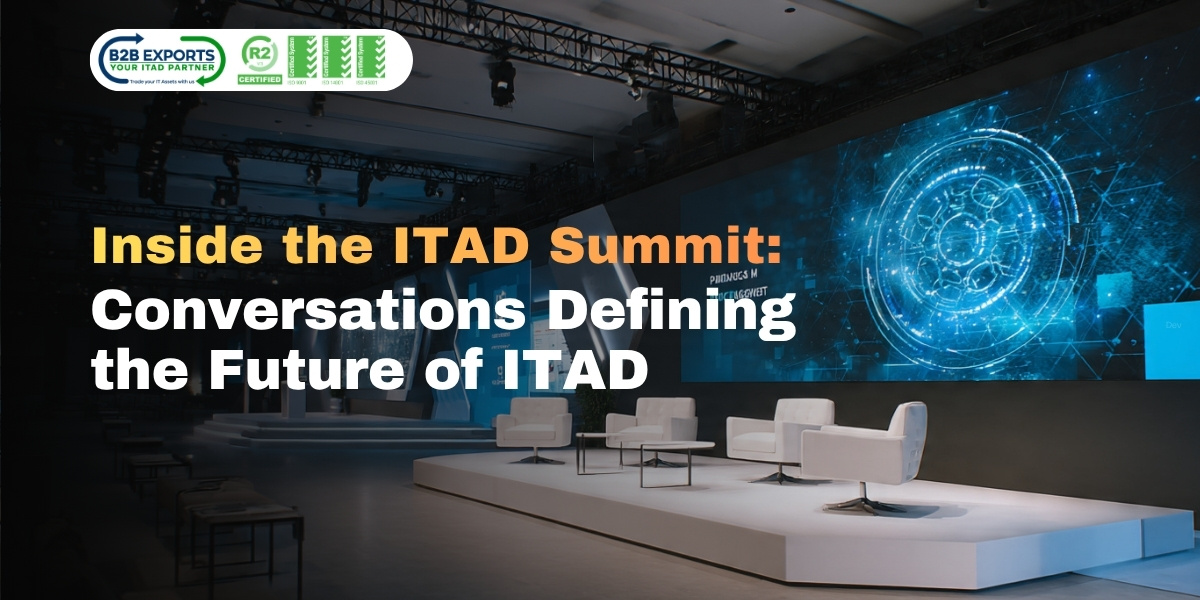
As businesses increasingly speed up their technology refresh cycles, the question of where end-of-life IT assets go has gained importance. Responsible IT Asset Disposition (ITAD) is now at the crossroads of data security, environmental responsibility and capturing economic value from decommissioned hardware. An important industry event, ITAD Summit, organised each year by the Global ITAD Institute, brings together the professionals, insights and discussions shaping how organizations manage decommissioned enterprise equipment.
Back in 2018, the ITAD Summit brought together ITAD professionals in Minnesota for the very first time. Over the years, it has grown into a go-to forum where industry experts explore secure data disposal, sustainability and the IT asset management and lifecycle strategies of enterprise hardware. For companies operating in the global refurbished IT market, gatherings like these are not only informative, but they also indicate the direction in which the industry is evolving.
What the ITAD Summit Represents for the Industry
The ITAD Summit is one of the more specialised gatherings in the IT lifecycle management space. It is designed specifically for professionals who work with IT asset disposition at scale and gathers a focused group of participants, including ITAD service providers, certified data destruction specialists, enterprise IT asset managers, sustainability professionals and hardware remarketing channels.
This type of specialization matters because discussions in the ITAD summit are practical and operational that addresses the real industry challenges and regulatory considerations. Therefore, events like this create opportunities for collaboration, establish common standards and cultivate professional connections across the sector.
Important Themes Driving Conversations at the Summit

There are a number of themes that help in shaping the agenda of ITAD-focused events.
1. Protecting Sensitive Data During IT Hardware Retirement
Data protection is still one of the most important aspects of ITAD. Certifications of sanitization, including NIST 800-88 and Blancco-verified erasure, are often discussed in addition to physical destruction methods for devices that cannot be wiped securely. Compliance in this space is a governance need, not an afterthought.
2. Circular Economy and E-waste Reduction
The amount of electronic waste generated worldwide keeps on rising, with enterprise hardware refresh cycles contributing significantly to the same. Participants explore various approaches on how retired devices can be redirected toward refurbishment and reuse instead of disposal. Furthermore, ESG reporting requirements and procurement policies are becoming ever more connected to the circular economy for electronics.
3. Enterprise Hardware Lifecycle Management and Sustainability
One of the priorities is also how organizations plan their refresh cycles and recoup remaining asset value while meeting sustainability targets such as the Corporate Sustainability Reporting Directive. More enterprises are adopting responsible asset disposition within their procurement strategies.
The Role of ITAD Summit in the Global Refurbished IT Market
Discussions at events like the ITAD Summit reflect broader trends that influence how enterprise hardware flows into the secondary market. It also includes the growing importance of IT asset remarketing. When companies adopt structured IT asset disposition programs, they route retired assets through certified channels that prioritise refurbishment over disposal, thereby increasing the availability of quality, tested hardware for buyers that are seeking cost-effective substitutes of new devices.
Just as importantly, the standards and best practices discussed at the summit help build trust, ensuring buyers know devices have been securely sanitized, graded and properly tested before resale.
What Enterprises Can Take Away from These Industry Discussions
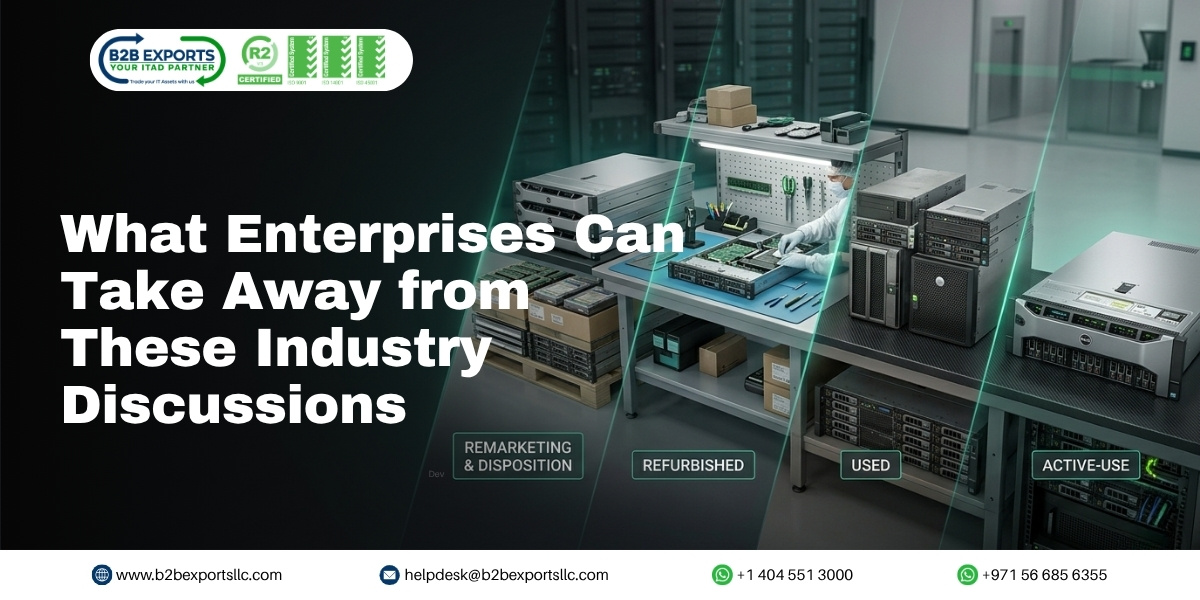
For organizations managing large IT infrastructure, the ITAD Summit is not just another vendor gathering as it is a valuable source of practical insights that influence how enterprises, including B2B Exports manage hardware at scale. The discussions often highlight real operational lessons that organizations can apply when planning their IT asset lifecycle strategies.
1. Plan ITAD Early
One of the most consistent takeaways is that responsible IT asset decommissioning requires planning long-time before systems reach the end stage. Enterprises that engage certified ITAD partners early and maintain documented chain-of-custody processes, are far less likely to encounter compliance risks and are better positioned to restore value from retiring equipment.
2. Extend Lifespan of Hardware
Making better use of IT assets for a longer period is another significant element. Devices that can be refurbished and redeployed, either internally or through secondary markets, help organizations in reducing capital expenditure while keeping functional equipment in active use.
Companies such as B2B Exports, Iron Mountain and Apto Solutions are among the industry participants engaging in these conversations, helping translate summit insights into stronger practices across the global IT asset supply chain.