 Auction
How Hospitals Avoid HIPAA Fines During Medical Equipment Tech Refreshes
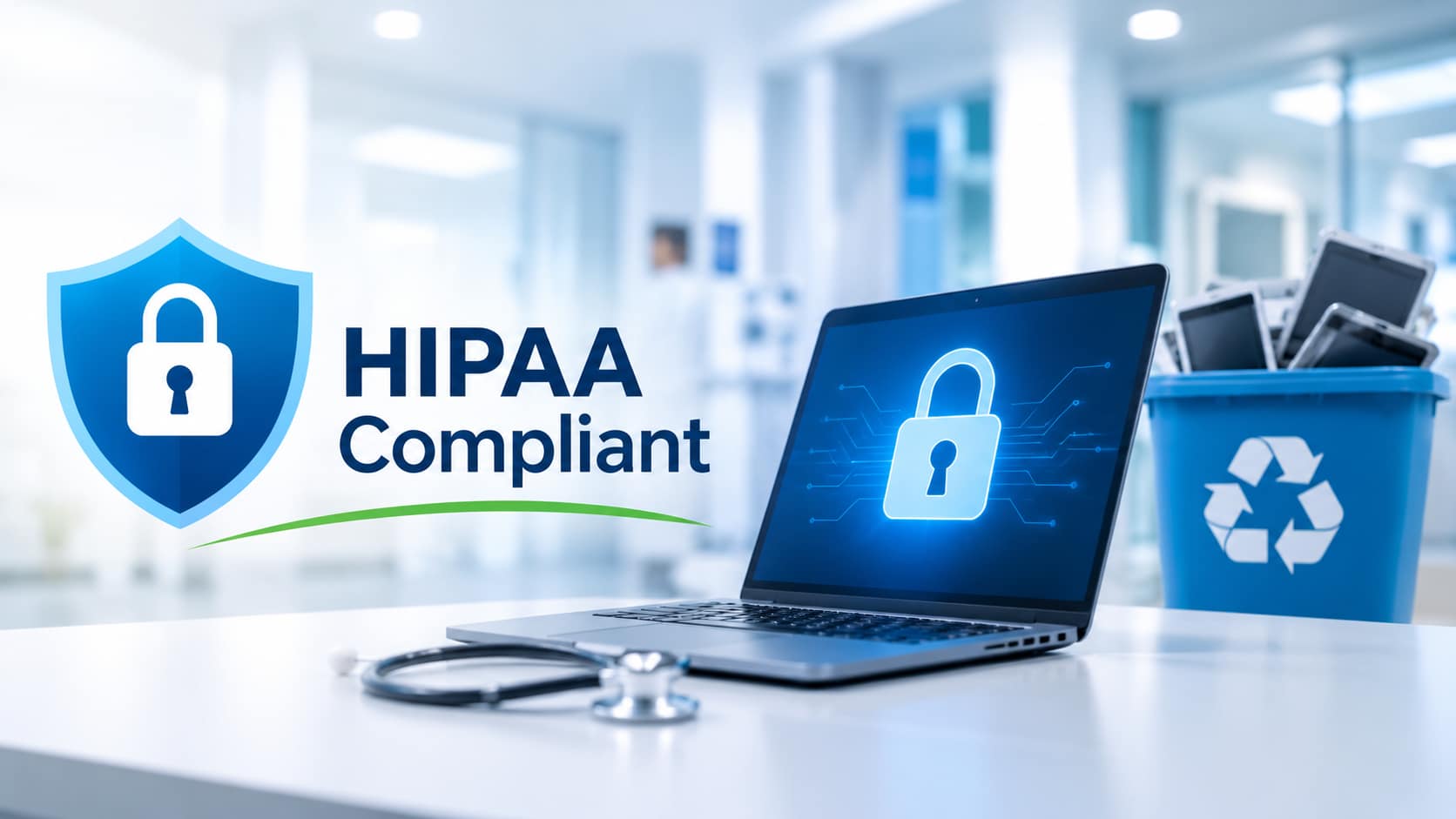
Replaced or new technology should move patient care forward, not put their information and personal data at risk. Here we’ll talk about how to retire the old technologies while reducing HIPAA compliance risks.
A technology refresh feels like a fresh start- servers are faster, workstations are more reliable, and old equipment is finally on its way out. But for a hospital, replacing old technologies deserves just as much attention as the new tech installation. A retired laptop, imaging system, printer, or server holds electronic protected health information (ePHI) even after discarding or deleting.
If the electronic devices leave hospital facilities without the right safeguards, then a normal routine upgrade can become a patient privacy problem, risking exposing Protected Health Information (PHI) and breaking HIPAA regulations.
HIPAA- compliant medical IT disposal isn't something that needs to hold you back. It allows you to have a clear strategy in place, keeping patient data secure, providing an audit trail, and ensuring it can be reused or recycled responsibly.
In order to avoid investigations, reputational damage, and costly fines from data being disposed of incorrectly, hospitals need to have an organized process in place to dispose of their IT assets. This should include data security, regulatory compliance, and recycling.
What HIPAA Requires During IT Disposal?
HIPAA's Security Rule doesn't stop applying when an IT device is discarded. Under 45 CFR § 164.310(d)(2), it covers entities needing procedures for the final disposal of ePHI and the electronic device that holds it. They also need to remove ePHI from media before it is reused.
In practical terms, moving a computer to a storage closet or sending it to a general recycler isn't a disposal plan. Neither is assuming a factory reset has erased everything.
Your process should answer a few simple questions:
- Which assets might contain patient data?
- Who approves their retirement?
- How will data be removed?
- What records will prove it happened?
Having answers to these questions in place helps the healthcare system demonstrate that patient information is safeguarded throughout the IT asset’s lifecycle.
Identify Every Device That May Store Patient Information
One common pitfall with a hospital technology refresh is overlooking devices that contain storage. Whilst most IT teams focus on servers, desktops, and laptops, there can be other less obvious devices that may contain patient information.
These may include:
- Hospital servers and network storage systems.
- Desktop computers and nursing station workstations.
- Diagnostic imaging equipment and medical devices.
- Printers, copiers, and multifunction machines.
- Laptops, tablets, and portable storage drives.
- Backup systems and removable media.
Before anything is unplugged, hospitals and healthcare centers should build an IT asset inventory of equipment to identify devices that may store or process ePHI. Record each asset with its serial number, location, assigned department, storage type, and proper IT disposition plan. That extra step makes it much harder for a forgotten device to leave the building without being checked.
Implement Secure Hospital Server Data Destruction
Servers within hospitals can store information such as records, billing information, diagnostics, and backups. Hospital server data wiping is needed to be performed using a secure destruction method to suit the media type and how it will be used in future.
Common approaches include:
- Clearing information: Using appropriate software or hardware techniques to clear stored information.
- Purging: Applying stronger sanitization methods that make data recovery infeasible for the relevant level of effort.
- Physical destruction: Destroying storage media when secure reuse is unsuitable or sanitization cannot be done.
It is useful for hospitals to refer to the NIST SP 800-88 Rev. 2 guidelines when deciding what method to use for destruction or disposal. Verification should be completed and documented to make sure this method has been applied to the correct device.
“The goal isn't just to erase data. It's to be able to show what happened to every device that has undergone the IT asset data destruction process.”
Work With a Qualified IT Asset Disposition Partner
The healthcare centers often lack the internal resources, specialized equipment, or workforce needed to manage such large-scale IT disposal independently. My personal suggestion would be that hospitals should work with an experienced IT Asset Disposition (ITAD) provider who helps simplify the process of handling retired IT assets. They can also help with collection, secure transport, sanitization, recycling, and accurate reporting.
Note: The handoff of devices with ePHI data should never be a blind one. Organizations should carefully cross-check disposal partners before handing over the equipment.
Always look for providers who offer:
- Complete documentation of data sanitization and destruction.
- Secure asset collection.
- Serial number level asset tracking.
- Data destruction certificates.
- Transparency in recycling practices.
The next important consideration is the Business Associate Agreement (BAA).
In most cases, HIPAA business associate requirements will apply if you are using an external vendor to deliver services involving PHI. Hospitals should check that a suitable written contract is in place requiring the vendor to protect PHI.
Outsourcing IT disposal doesn’t absolve the hospital of their duty to protect patient data.
Maintain a Clear Chain of Custody
After retired equipment has left the hospital, it is important to keep track of where the asset is. Keeping track of retired devices is vital once they have left the hospital to ensure they are not lost, accessed by unauthorized people or disposed of at an unapproved recycling facility.
Keeping a written record of the chain of custody will help keep your hospital in control of its assets.
The tracking process should include:
- Device being logged before removal from site.
- Asset number being assigned.
- Authorized collection and complete documentation.
- Transfers between facilities tracked.
- Conforming data removal or physical destruction.
- Final disposal and recycling documents obtained.
Hospitals should also limit access to the retired equipment whilst waiting to be processed. This provides an auditable trail, making it easier to investigate any discrepancies if an asset is lost.
Choose Responsible Medical Computer Recycling Methods
Secure disposal doesn’t mean shredding every computer, or they must be destroyed. Some surplus equipment may still have useful operational life or recoverable value. Once data has been properly deleted and verified, the equipment can be refurbished or remarketed. The equipment not eligible for remarketing can go through responsible material recovery.
This is where responsible medical computer recycling becomes valuable. The ITAD service provider can help the healthcare facilities to separate reusable equipment from assets that require recovery or physical destruction.
Hospitals can reduce electronic waste, recover potential asset value, and support sustainability goals without compromising patient privacy. The key is to make sure that data security comes before resale or recycling.
Keep Documentation Ready for HIPAA Audits
Even if a hospital follows the correct disposal procedures, poor documentation can make compliance difficult to demonstrate or result in failure.
During an investigation or audit, healthcare networks may need to show how retired equipment was handled and if the appropriate safeguards were followed or not. Maintaining complete disposal records helps establish accountability.
Documents that may be needed are IT asset inventory and retirement approvals, data sanitization logs, certificates of data destruction, chain-of-custody records, Business Associate Agreements, where applicable, and recycling and final disposition reports.
Make Healthcare IT Refreshes Secure From Start to Finish
A hospital's responsibility to protect patient information doesn't end when its technology reaches the end of its useful life, it should be a priority process from start to finish.
By implementing secure data wiping, maintaining asset accountability, working with qualified ITAD partners, and keeping proper documentation, hospitals can significantly reduce the risk of preventable HIPAA compliance issues.
Choosing the right disposal strategy also creates opportunities to recover asset value, reduce electronic waste, and make future technology upgrades more efficient.
How B2B Exports LLC Helps Healthcare Organizations With Secure IT Disposal
Disposing of your retired medical technology can be a complex process. It's important to work with an established partner who can ensure your IT assets are disposed of securely. Healthcare organizations should opt for companies that are certified in secure IT asset management, data protection, and responsible equipment disposition.
B2B Exports LLC is one such provider who offers IT Asset Disposition (ITAD) and IT Asset Management (ITAM) solutions for hospitals, clinics, laboratories, and healthcare providers and networks.
Our healthcare-focused solutions support are:
- Secure IT data destruction.
- Responsible decommissioning of outdated medical IT assets.
- IT asset remarketing.
- IT asset recycling and refurbishment.
- Compliance-related documentation and asset tracking.
B2B Exports LLC is a R2v3-certified company that helps organizations in secure, responsible, and authentic IT asset disposition solutions. Having the right ITAD partner can make disposing of your hospital servers, upgrading medical computers, or refreshing your technology on a larger scale easier.
Note: Browse our Healthcare IT Asset Management and Disposition Solutions to learn how B2B Exports LLC can support your needs for secure IT disposal, IT data destruction, and responsible IT recycling for a hospital's technology lifecycle.
To The Sum
From secure hospital server data wiping to responsible medical computer recycling, every stage of equipment retirement needs proper planning, documentation, and oversight.
Investing in HIPAA compliant medical IT disposal helps healthcare organizations protect sensitive information, reduce potential compliance risks, recover value from retired equipment, and minimize electronic waste.
Don't let outdated technology become a security liability. Choose a responsible IT asset disposition strategy before your next technology refresh. Are you planning a hospital IT upgrade or equipment retirement project? Contact B2B Exports LLC to discuss secure IT asset disposition and healthcare equipment recycling solutions.
FAQs
What is HIPAA-compliant medical IT disposal?
It is a documented, secure process of hospital IT disposal of retired electronic devices that may contain ePHI.
What is healthcare ITAD?
Healthcare IT asset disposition (ITAD) is secure retirement, destruction, recycling, and management of tech assets used by healthcare organizations- hospitals, health systems, and insurers.
Why is chain-of-custody important?
It creates a documented accountability for every asset from collection through final disposition, helping support compliance and other audit needs.
How does HIPPA apply to retired IT assets?
HIPPA protects electronic Protected Health Information (ePHI) stored on retired IT assets. Devices with such information are securely removed before equipment is reused, resold, or disposed of.
Which ITAD companies offer HIPAA-compliant IT asset disposal services for hospitals?
B2B Export LLC is one of the best healthcare-focused ITAD solutions for hospitals, clinics, laboratories, and healthcare organizations. They help in secure data destruction, asset management, equipment remarketing, and responsible recycling.